Brain games for kids
13 in-house mini-games for attention, memory, logic, observation, spatial reasoning. No login, no ads, 1-5 min sessions.
Attention
Schulte Color
Age 4-7
▶ Play now
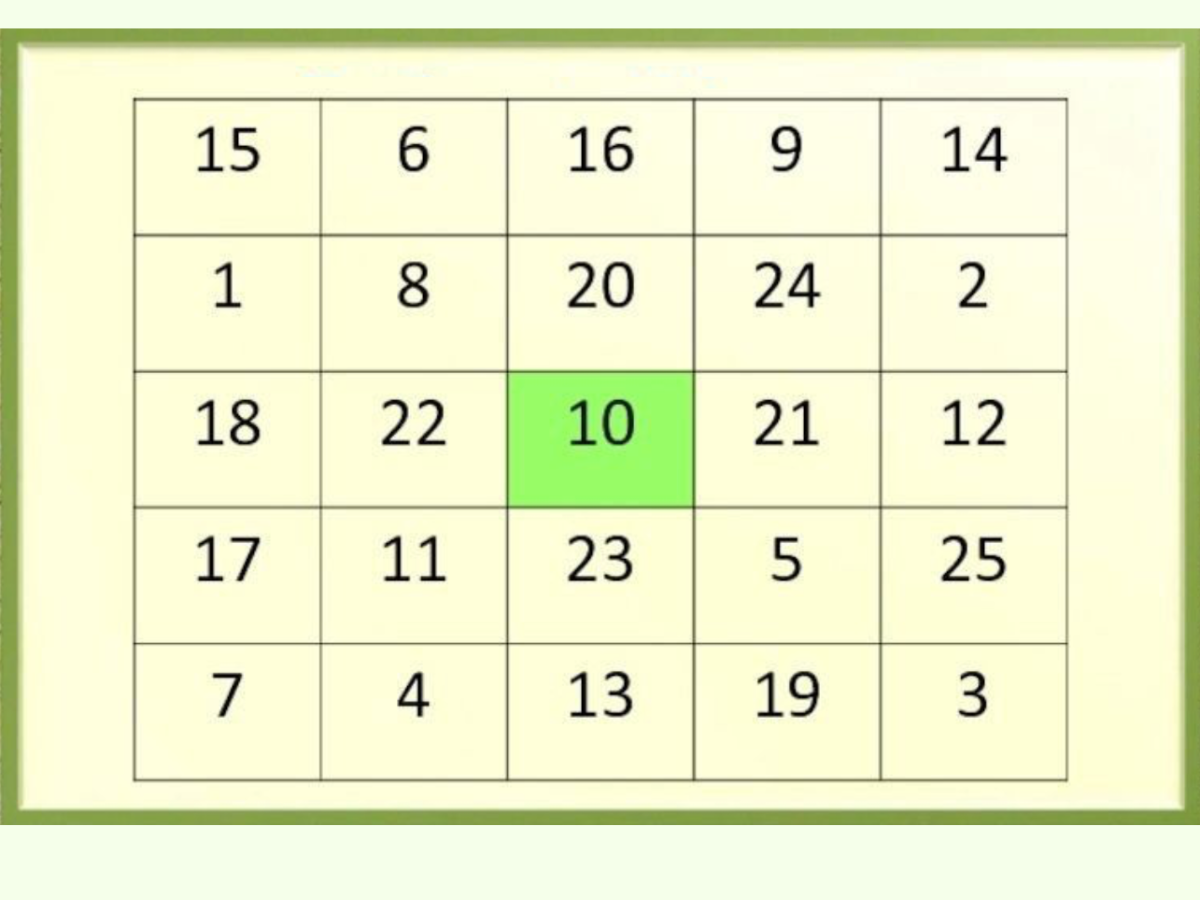
Attention
Schulte Table
Age 6-14
▶ Play now
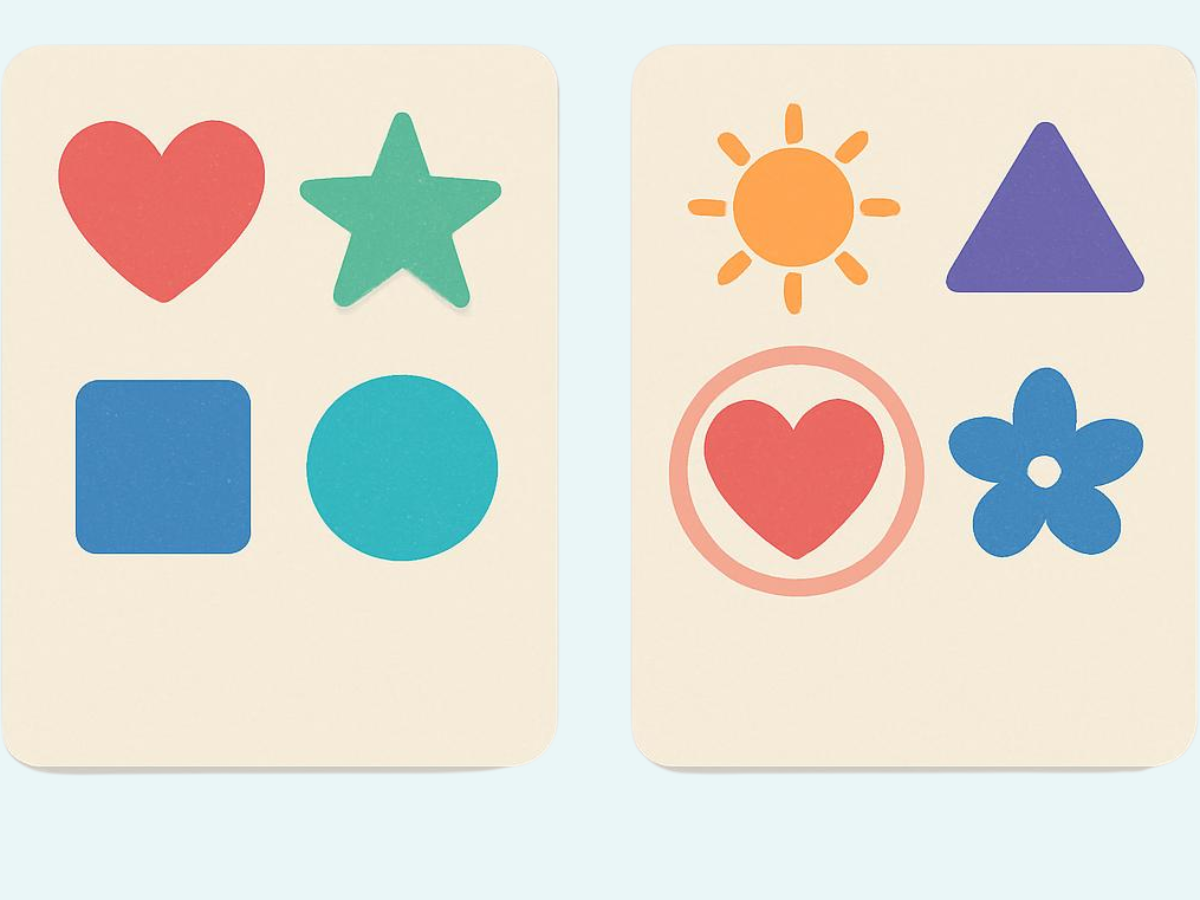
Attention
Find the Common Symbol
Age 5-12
▶ Play now
Memory
Memory Match
Age 3-10
▶ Play now
Memory
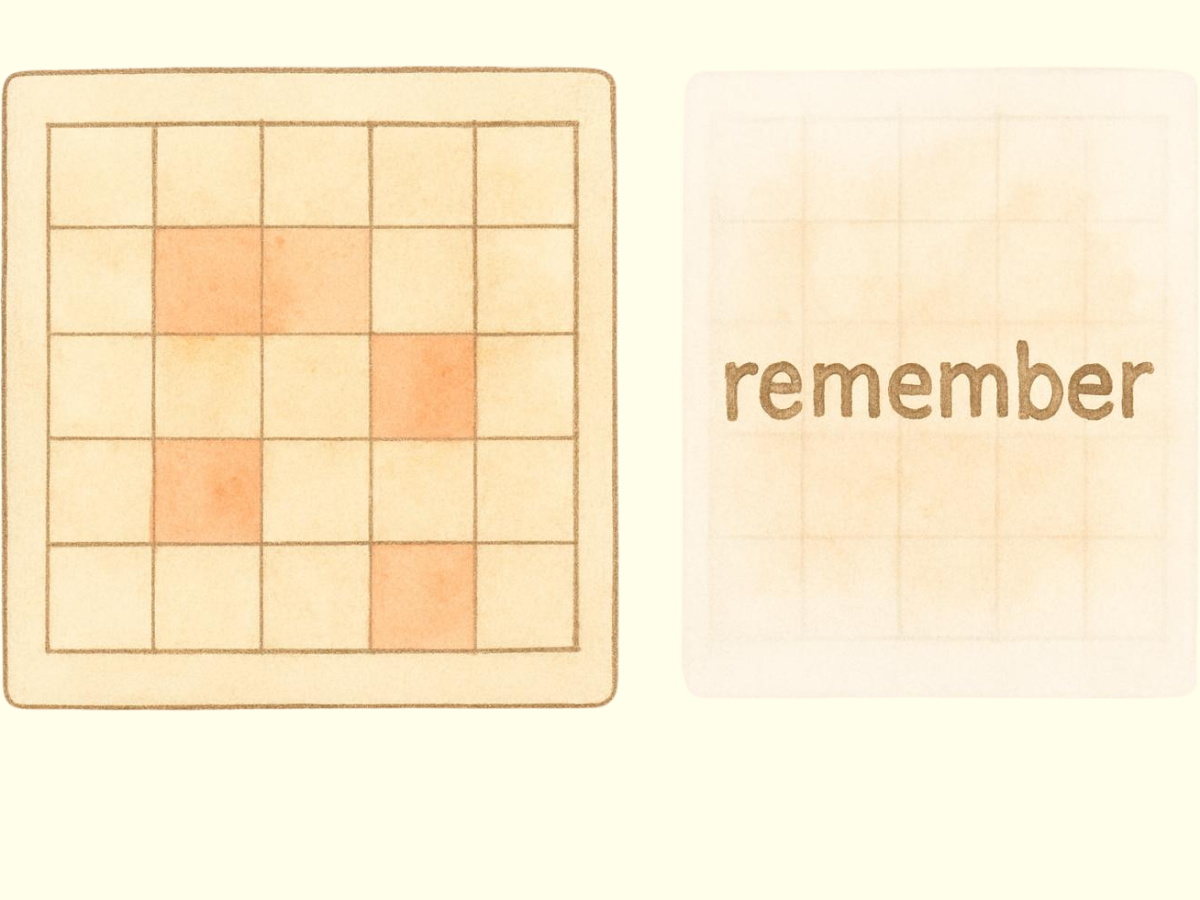
Visual Grid Recall
Age 5-12
▶ Play now

Memory
Sequence Recall
Age 4-12
▶ Play now
Observation
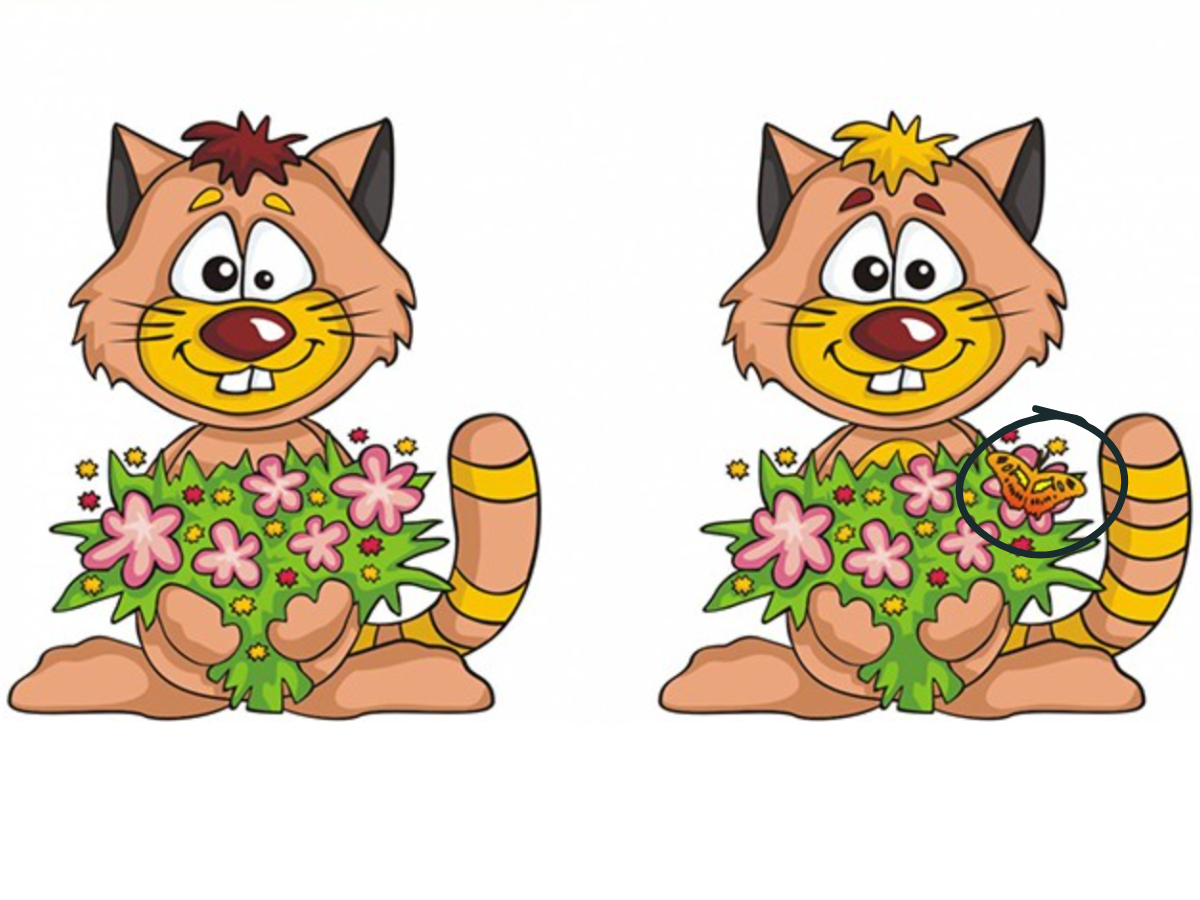
Spot the Difference
Age 4-12
▶ Play now

Observation
Odd One Out
Age 4-10
▶ Play now
Logic
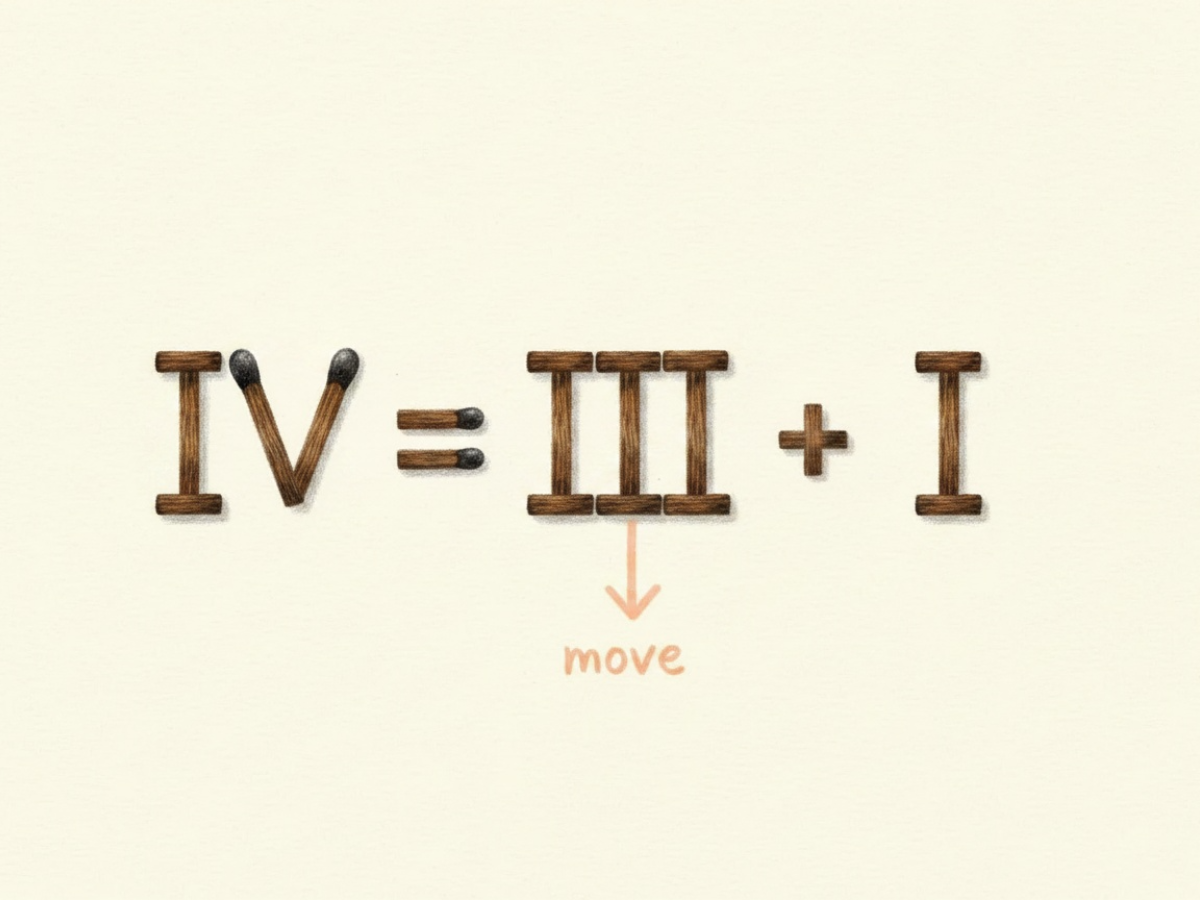
Move the Matchstick
Age 8-14
▶ Play now
Logic
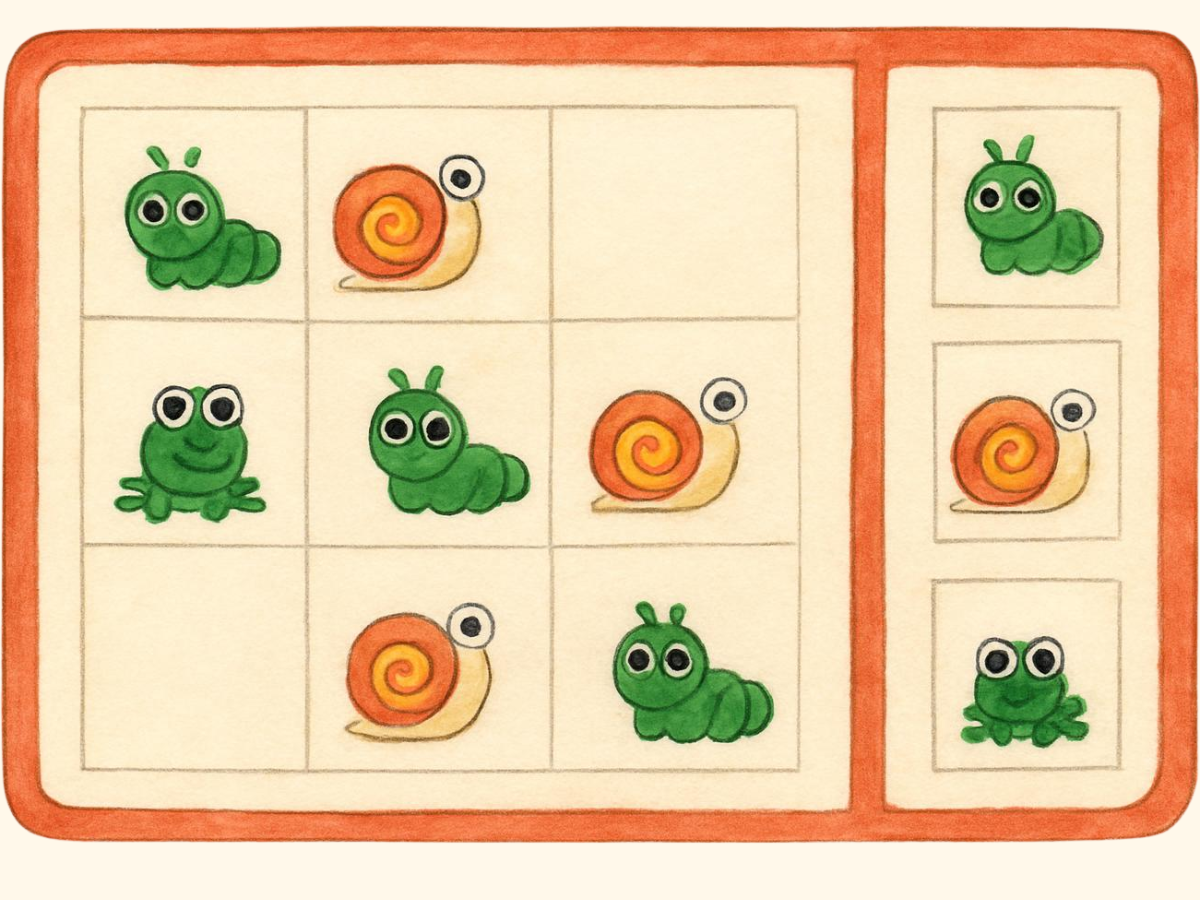
What Comes Next?
Age 5-14
▶ Play now
Logic
Riddle of the Day
Age 8-14
▶ Play now
Spatial
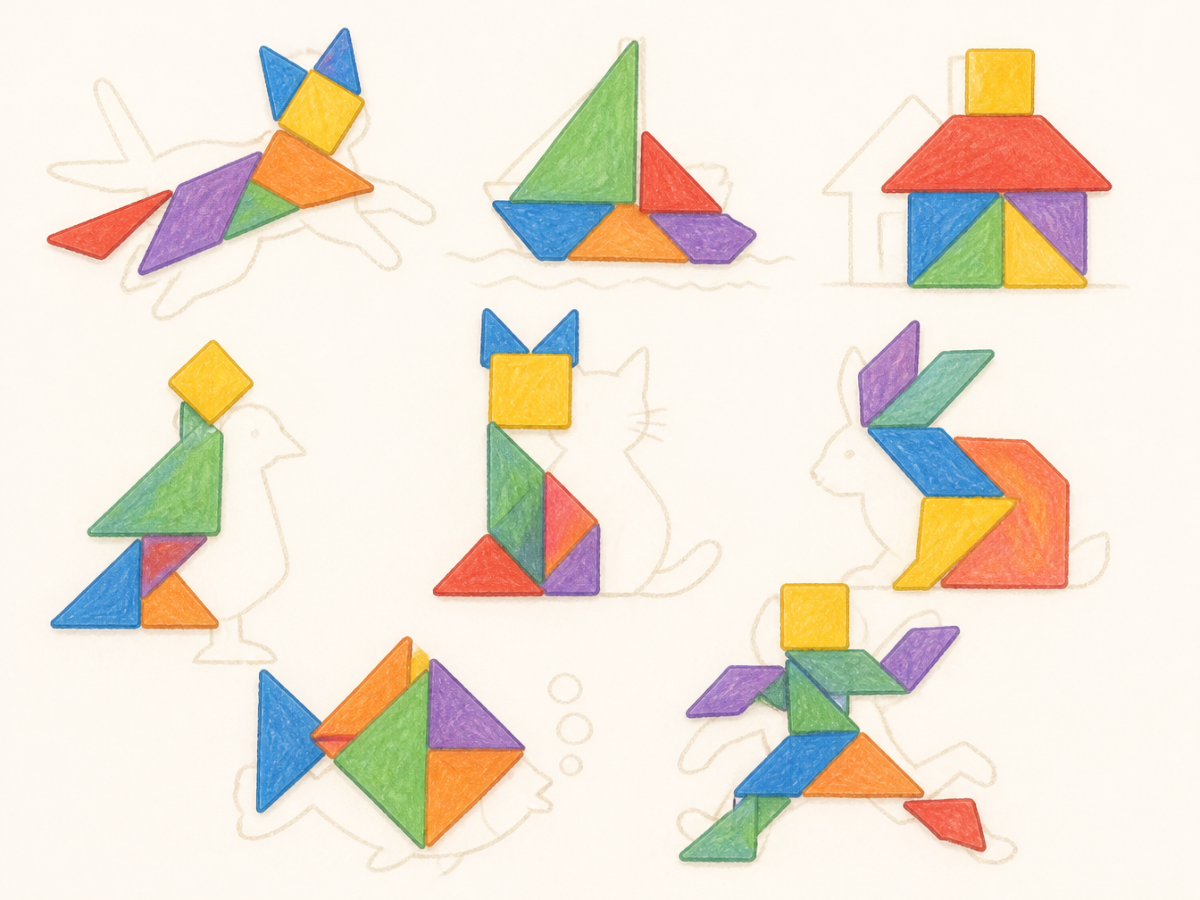
Tangram
Age 5-12
▶ Play now

Spatial
Mirror Symmetry
Age 5-10
▶ Play now
Frequently asked questions
Good screen time & how it works
Is there such a thing as "good" screen time – games that actually help, not just addict?
Yes. A screen isn't automatically bad – what matters is what your child does on it. Wings brain games train attention, memory, observation, logic, and spatial thinking. No ads, no prizes, no streaks or loot – nothing engineered to keep kids hooked. The idea is simple: if there's a 5-minute break, spend it on something that stretches the mind.
Are there educational games for kids with no ads and no in-app purchases?
Yes – all 13 Wings brain games are free, with no ads, no in-app purchases, and no login. Sessions are short (about 1–5 minutes), so a game is a quick, useful break, not an endless loop.
What are good short brain games for a 5-minute break?
All Wings games are built for short sessions (about 1–5 minutes) – Memory Match, Spot the Difference, Schulte tables, Tangram, and more. Play a round and stop. No cliffhangers or "just one more level" mechanics pulling your child back in.
Games by skill
What free brain games help my child's focus and concentration?
Our attention set: Schulte Table, Schulte Color (for kids who can't read numbers yet), and Find the Common Symbol. They ask the child to scan, hold focus, and find targets among distractions – a direct workout for attention and visual search.
What games can help improve my child's memory?
Three memory games: Memory Match (from age 3), Sequence Recall, and Visual Grid Recall. Each asks the child to hold and recall a little more information – the core of working memory, which predicts school success.
What is a Schulte table and does it really help?
A Schulte table is a grid of scrambled numbers (or colors) where you find them in order while keeping your gaze centered. It's a long-established exercise for attention, visual search, and widening what the eye takes in at once (which is why speed-readers use it). We put it honestly: it trains those skills with practice – we don't promise specific percentage gains.
What games are good for logic and problem-solving for older kids (8–14)?
For 8–14: Move the Matchstick, Riddle of the Day, and What Comes Next – open-ended puzzles with real "aha" moments. Reasoning, not memorizing.
What games help with visual perception and spotting details?
Spot the Difference, Odd One Out, Find the Common Symbol, and Tangram all train visual perception – noticing details, comparing, and mentally rotating shapes.
Age & how much
What age are the games for?
Ages roughly 3–14, depending on the game (each shows its range). Younger kids start with Schulte Color, Memory Match, and Spot the Difference; older kids get matchstick puzzles, riddles, and pattern logic.
How much brain-game time a day is healthy?
A little goes a long way. One or two short rounds (5–10 minutes total) is plenty – a focused break, not a place to park a child. With no rewards or streaks, there's nothing pulling them to stay longer.